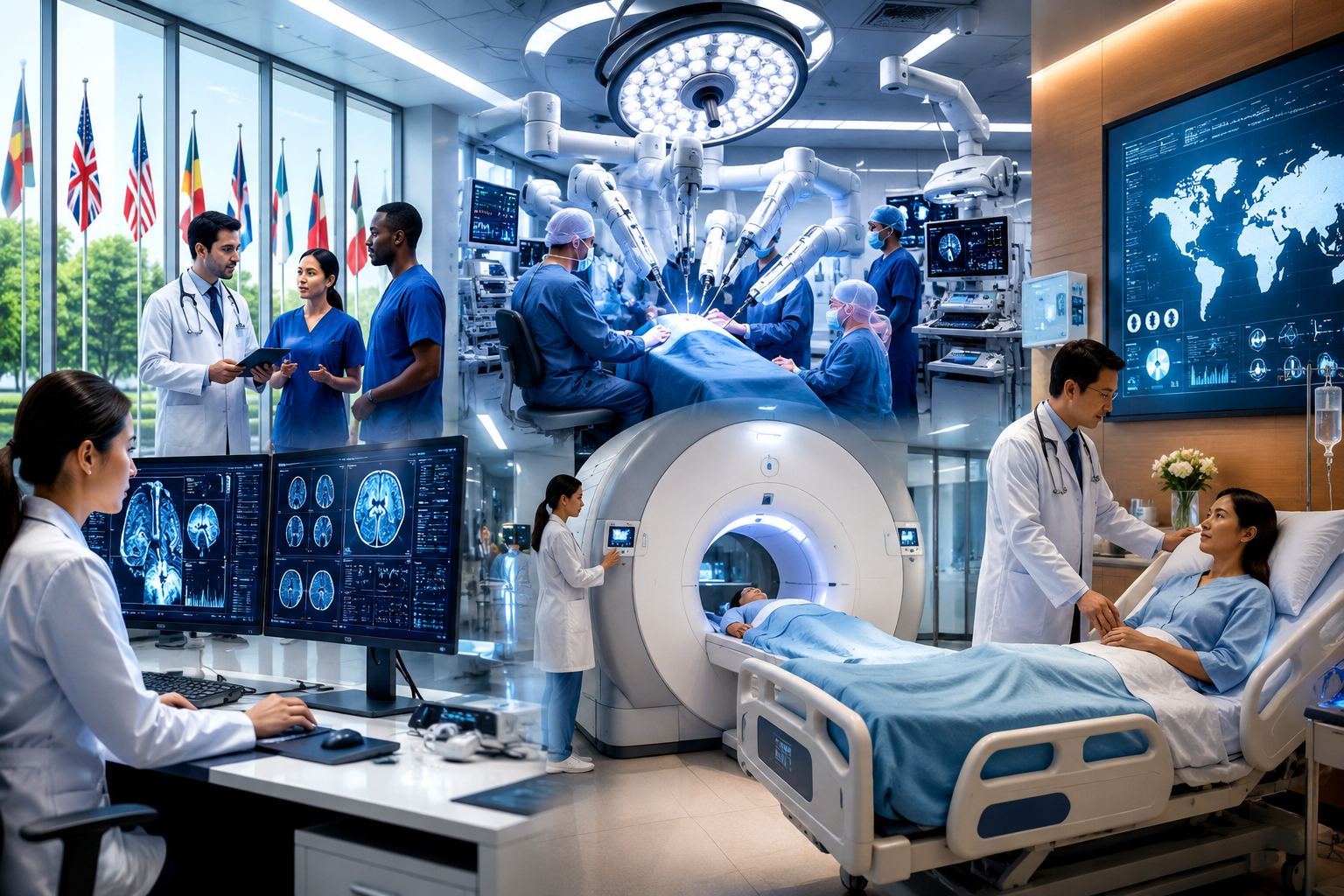
In today’s fast-paced world, healthcare is a top priority for people globally. Hospitals play a crucial role in providing medical treatments that improve quality of life, save lives, and enhance overall well-being. With advancements in medical technology, patients now have access to innovative procedures, advanced therapies, and specialized care that were unimaginable just a few decades ago. This article explores the most effective and high-demand medical treatments offered by hospitals worldwide and highlights the benefits of seeking treatment in leading medical centers.
1. Advanced Cardiac Care
Heart diseases remain the leading cause of death globally. Hospitals have made significant progress in offering treatments that are both effective and minimally invasive. Some of the most sought-after cardiac treatments include:
Minimally Invasive Heart Surgery: Unlike traditional open-heart surgery, minimally invasive procedures involve small incisions, reduced recovery time, and lower risk of infection. Hospitals in the USA, Germany, and India have pioneered these techniques.
Cardiac Catheterization and Angioplasty: These procedures help treat blocked arteries and prevent heart attacks. Catheterization allows doctors to diagnose heart problems accurately, while angioplasty uses balloons or stents to open blocked vessels.
Heart Transplants: Specialized hospitals provide life-saving heart transplant programs for patients with severe heart conditions. Countries like the USA, Spain, and India are known for their high success rates in this complex procedure.
Patients seeking cardiac care benefit not only from advanced technology but also from multidisciplinary teams of cardiologists, surgeons, and rehabilitation specialists who provide holistic care.
2. Cancer Treatments
Cancer treatment has advanced rapidly, offering multiple options depending on the type and stage of cancer. Hospitals worldwide provide state-of-the-art cancer care, including:
Radiation Therapy: Modern radiation therapy targets cancer cells precisely, minimizing damage to surrounding healthy tissues. Hospitals equipped with linear accelerators offer highly effective radiation treatment.
Immunotherapy: This innovative approach stimulates the patient’s immune system to fight cancer naturally. Immunotherapy is increasingly used in treating melanoma, lung cancer, and certain types of blood cancers.
Robotic-Assisted Surgery: Precision is key in cancer surgery. Robotic-assisted systems allow surgeons to remove tumors with minimal impact on surrounding organs, leading to faster recovery and better outcomes.
Hospitals in the USA, Japan, Germany, and South Korea are leading the way in offering advanced oncology care with cutting-edge equipment and specialized teams.
3. Orthopedic Surgeries
Orthopedic treatments focus on restoring mobility and improving quality of life, especially for aging populations and patients with sports injuries. Popular orthopedic procedures include:
Joint Replacement Surgeries: Knee, hip, and shoulder replacements using advanced prosthetics have become increasingly successful. Countries like Germany, USA, and India offer high-quality orthopedic care at world-class hospitals.
Spinal Surgeries: Minimally invasive techniques help treat herniated discs, scoliosis, and spinal injuries with minimal discomfort and reduced recovery time.
Sports Injury Treatments: Hospitals provide specialized care for athletes, including physiotherapy, stem cell therapy, and reconstructive surgery for torn ligaments or tendons.
Orthopedic hospitals combine advanced surgical techniques with rehabilitation programs to ensure optimal recovery.
4. Neurosciences and Brain Care
Neurological disorders require specialized treatments and highly skilled medical teams. Hospitals offering neurology services provide:
Brain Tumor Surgery: Using AI-assisted imaging and precision tools, surgeons can remove tumors while preserving brain function.
Stroke Rehabilitation Programs: Comprehensive care, including medication, physiotherapy, and robotic-assisted exercises, helps patients regain mobility and independence after a stroke.
Epilepsy Surgery: For patients with drug-resistant epilepsy, surgical interventions can reduce the frequency of seizures and improve quality of life.
Leading neurology hospitals in the USA, Germany, and Japan are known for their advanced techniques and patient-centered care.
5. Fertility and Reproductive Health
Infertility affects millions worldwide, and hospitals have developed specialized treatments to help couples conceive:
IVF (In Vitro Fertilization): IVF is one of the most successful fertility treatments, especially in centers in the USA, Spain, and India. Modern techniques increase the chances of successful pregnancies.
Egg and Sperm Donation Programs: These programs provide options for couples facing reproductive challenges. Donor selection ensures safety and high success rates.
Surrogacy Treatments: Legal surrogacy programs are available in select countries, providing hope for couples unable to carry a pregnancy themselves.
Fertility hospitals combine medical expertise, counseling, and personalized treatment plans to maximize patient success.
6. Telemedicine and Remote Consultations
With technological advancements, hospitals now offer telemedicine services to improve accessibility and convenience:
Online Consultations: Patients can consult with specialists worldwide without traveling, saving time and costs.
Remote Monitoring Devices: Devices that monitor chronic conditions such as diabetes, hypertension, or heart diseases allow doctors to track patient health in real-time.
AI-Based Diagnostics: Artificial intelligence assists in early disease detection and personalized treatment recommendations, ensuring precise and effective care.
Telemedicine has transformed healthcare delivery, especially for patients in remote areas or during global health crises like the COVID-19 pandemic.
7. Global Hospital Networks
Many hospitals collaborate internationally to provide the best care:
Accredited Hospitals: Institutions with Joint Commission International (JCI) accreditation maintain high standards in medical care, patient safety, and facility quality.
Medical Tourism: Countries like Thailand, India, and Singapore attract patients worldwide due to affordable costs and high-quality treatment.
Research and Clinical Trials: Hospitals involved in research provide access to the latest treatments and clinical trials, offering hope for patients with rare or complex conditions.
Patients seeking treatment abroad should consider hospital accreditation, doctor expertise, and patient reviews for informed decisions.
Conclusion
The medical field has seen extraordinary progress, offering patients life-saving treatments, advanced therapies, and improved quality of life. Hospitals worldwide are now equipped with cutting-edge technology and highly skilled medical teams to provide top-tier care. From cardiac surgery to cancer therapy, orthopedic procedures, neurological care, fertility treatments, and telemedicine, patients have access to an unprecedented range of options. By choosing the right hospital and treatment plan, individuals can achieve better health outcomes and enhance their overall well-being.